
Pull Planning like most successful activities in construction requires a significant amount of coordination and work to to achieve great results. How will you coordinate and develop a successful pull plan meeting and what needs to be coordinated in advance to ensure the outcome you are looking to achieve?
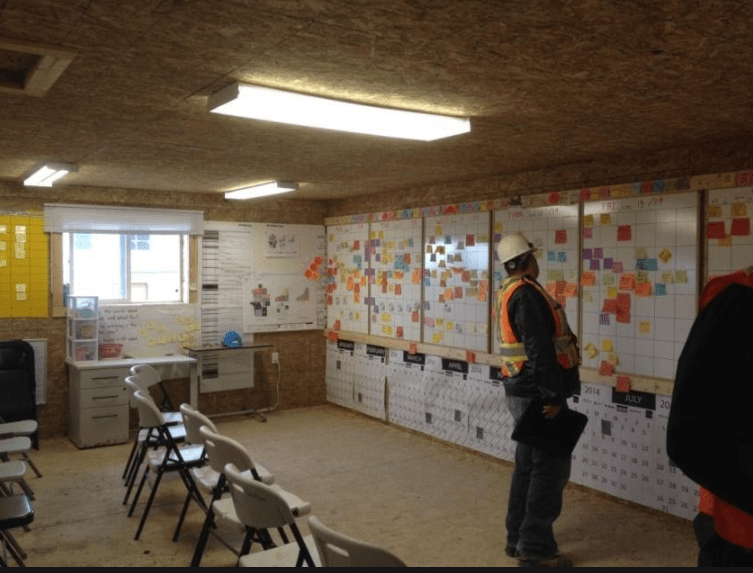
To manage an effective pull planning exercise you will need to establish what portion of the construction schedule you are planning on pulling and identify who will be part of the meeting. It is imperative to have the individuals responsible for executing the work present. You are looking for the Project Managers and Superintendents with your team and your trade partners involved in this specific work phase working together. Additionally the Design Architects, Schedulers and Quality Control Representatives could be present as well.
In preparation for the meeting you will need to identify and distribute to the participates the area of work you plan on pulling. They will need to be very familiar with this phase, available materials and any outstanding issues that may not have been resolved. Each team will need to come to the meeting prepared to be completely honest in the work they can perform and the amount of time it will take to accomplish it making sure not to add any fluff to their durations. They will also need to speak to what will need to be accomplished prior to their work starting.
You will need to coordinate the date a few weeks in advance to ensure everyone needed is available for the exercise. And you will need to have a space large enough to accommodate the activity and plenty room on a wall or table to be able to manage the 6-8 weeks a pull plan is generally expected to review. In our case we set up a long sheet of plotter paper with the weeks identified on the top of the sheet. You will establish the completion milestone you are looking to hit. It is helpful to have a few key interim milestones shown as well, but don’t be to concerned with these yet, the pull planning team will help identify other key milestones as well.
Generally each trade is identified by a specific color post it or colored magnet. To save time you can send these to the contractors ahead of time and they can preload their “stickies” with a task name, duration and the activity they believe needs to be complete prior to them starting their work.
On the day of the exercise plan to have on hand the project contract documents, calendars and a few logistics plans around to help everyone visualize the work area while they are working in addition to some general office supplies that may be needed to help plan the work.
I have found that the General Contractors Project Manager and Superintendent responsible for the scope should not lead the meeting, bring in a moderator this can be a team member familiar with the work to help ask questions and keep the process moving along while the project team works with the various trade partners to answer questions and help in the coordination.

Start with the finish milestone in mind and work backwards from this date placing the various tasks on the exhibit working back toward the start date. Each contractor should be willing and expected to discuss honest expectations and problems they may be anticipating so everyone involved can calibrate on the issues at hand.
Once you get to the start date you can go back through all the dates and durations and see if you have achieved improvement or if necessary you may need to go back through and re-sequence and review coordination to see where there are opportunities to improve or work in areas together to help hit the necessary date.
After reviewing the work it is helpful to memorialize the work by taking a few photos and distributing them to each of the subs involved to remind them of the promises they made during the pull plan. Now you are ready to develop the tasks and insert them into your project schedule – hopefully if everyone was honest and worked together you will see improvement, if not, you have identified a bust in your schedule and you will need to keep working through the work packages pulling them back as well.
So how will this exercise help in the development of your schedule planning by providing Collaboration, Transparency and Optimization your teams will learn to communicate clearly and work towards the goal of completing these work packages on time. It will also help foster common goal of working together to complete the work on time.
I will continue to review some Lean Best Practices over the coming weeks to help create a better understanding of how Lean can be of benefit on your projects. I can be reached here on LinkedIn or on my web site Construction-Daily.com if you have comments or would like to see something specifically reviewed here.
J. Hughes
Superintendent


 Construction Daily