
Gemba Walk a tool for Improvement

Most superintendents spend a significant amount of time walking the project, reviewing progress, verifying quality and checking on worker safety. This is natural for most of us as we have progressed from field positions into positions of leadership and spending time in the field is where we feel most comfortable.

How we use this time varies greatly, is there a way to use this time to improve our project and the project teams? Can we utilize the time we spend in the field by focusing in on the actions of specific trades, how they interact with each other and the work by asking questions and listening to our most valuable asset – the craftsmen.

The Gemba Walk does just that, derived from the Japanese word “Gemba” or “Genchi Gembutsu” means where the work happens, “the actual place” or “Go, Look, See” These walks are important because leaders are encouraged to see what is happening on the project, ask questions and implement change that can have a lasting impact. It is this continuous improvement we should be striving for every day. This is one of the Lean Principles that should be practiced by Lean Leaders.

So how does this look in practice, I believe this walk should be focused: you can perform Gemba walks on Safety, Productivity, Cost Efficiencies among others, so a walk on Logistics may entail the following items, we should initially be observing, looking for logistics bottle necks, seeing how and where materials are stored in relationship to where the work is happening and listening to the employees as to what ideas they may have to improve quality, production or worker safety.

At this time we are not looking to make any drastic change, this is an opportunity to observe, listen, take notes and provide positive feedback. The team should be aware these walks are occurring so as not to feel they are being criticized and they should understand you are looking for process improvement, not to single out an individual. Having Superintendents or Project Managers from other projects join the walk may be helpful as their insight may lend a fresh set of eyes on problems that are being overlooked.

Things that should be noted include what work is currently being performed, what established process are being utilized, were any problems noted and what is the root cause and who identified the issue in the event a follow up needs to happen. Then a review should be performed with follow up documented so everyone can be kept in the loop as to changes that may occur as a result of this walk and plan for next steps.

So the next time you are heading out the door to walk the site, maybe you will consider implementing the Gemba Walk and taking advantage of one the key Lean Tools for continuous improvement.

I hope I have provided a few helpful ideas on performing a effective Gemba Walk – if you have any additional ideas or trick you use to implement a successful Gemba Walk I would appreciate you listing them in the comments section below.

Superintendent

J. Hughes
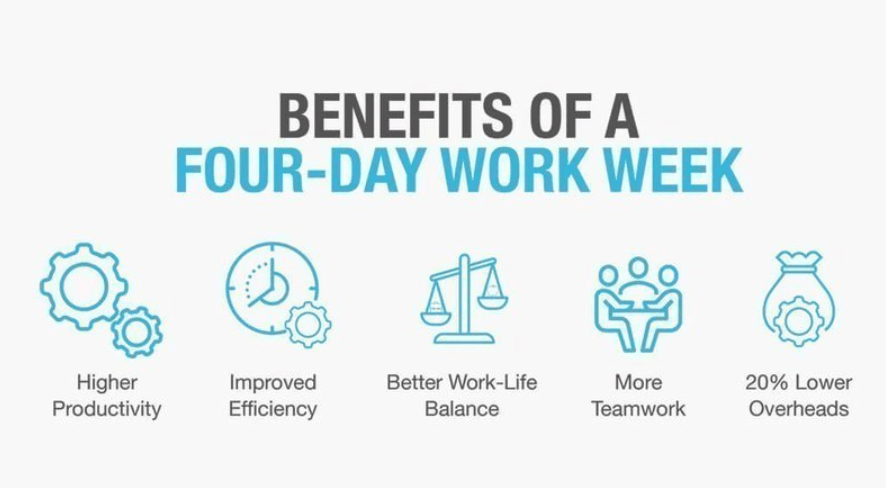
The 4 Day Work Week – In Construction

I have been considering the possibility of the 4 day work week in construction, is it possible and have you ever been successful in implementing it across a large commercial project. Lately I have been hearing how other industries have had some success in work from home and various forms of hybrid work. So in this post I would like to open up the conversation on how would we implement a similar opportunity for our project teams that manage work on the site.

What would this type of flexible working arrangement look like in construction? Generally speaking the projects I have been a part of typically work a Monday thru Friday schedule with Saturday being the makeup day for lost production or weather day. As the project pushes forward towards substantial completion and the schedules get tight more often than not we end up driving a 6 day schedule trying to make up time that may have been lost due to decisions being made slowly, materials being late or not having enough manpower to keep up with the schedule.

Generally our days start at 6:30 in the morning and we work our project teams until around 4 or 5. Understanding this could we set a standard to work 4/10’s and keep the project on track. Possibly using Friday as the makeup day. Most weeks this would ensure a 4 day work week and it would set a standard of allowing project teams having the entire weekend free.

There are already a number of trades working on the project that have implemented this successfully – I have seen our Elevator/Escalator crews manage this along with the Fire Protection contractors. I believe this allows them to be more productive each day. They set themselves up for this; their materials are ordered and available well in advance and delivered to the project in time to be installed. I believe this assists with the loss productivity daily by having to unroll and roll up your tools allowing for more effective daily production.

What would it take to ensure this, initially you would need to discuss and demonstrate to leadership and the owners on how this would be beneficial to the project. Then as the trade partners are being vetted and placed under contract the schedule would need to reflect this implementation. Material suppliers would need to be notified of the delivery schedule and inspectors would need to be aligned as well. The practical aspect would involve setting up the schedule to reflect the additional hours and the plan would need to show this to keep everyone on the same page.

Some of the challenges would involve the actual craft worker who would be called to make this happen and production cannot be slowed because of the additional hours each day. During the summer months where heat can play a serious role on our projects how do we keep the teams safe while working through the heat? At times we observe when the crafts are working additional hours each day they tend to tire and production slows. Delivery companies would need to be coordinated with to make sure materials are not being delivered when the site is closed. And daily how would we manage the change in time where we are coming to work and its still dark.

The benefits of a 4 day work week cannot be understated, more opportunity to spend time with your families, better rest and more time away from the project to clear your head. This forward look at the well being of our project teams would play out in a number of ways in both keeping valued employees from burning out and seeking employment elsewhere and could entice some prospective employees to join the team.

This practice is being review by companies large and small and there are stats to prove that companies could see as much as a 20% improvement in production not to mention the benefit of employee wellbeing and engagement. This concept is not new but not to long ago it would have been viewed negatively and you may have been considered a slacker for even considering it. But as this continues to gain momentum the question you may need to ask yourself will you continue to do it the way its always been done or will you look for ways to be innovative and demonstrate to your employees you really care about their time and more importantly their time away from the project.

So I am interested, is this something you have tried or are you currently implementing it and what is your take of the 4 day work week in construction?

We will continue to focus on Lean, Employee Well Being and Improved Productivity over the next few weeks and if you have any additional ideas or items you would like covered please let me know here or my page at Construction-Daily.com

Superintendent

J. Hughes

The Daily Huddle – Effective is Key!

The vast majority of us are on meeting overload most of the time and running from one meeting to the next before having time to act on the commitments made from the last meeting. When reviewing the benefits and whether to schedule another meeting the Lean Daily Huddle is not just another meeting it can be the key to your project success.

The premise around the Daily Huddle is to bring the last planners – the foremen, the men or women actually responsible for performing the work together for a brief meeting every day with the purpose of reviewing where they plan on working, when they will be complete and what do they need from anyone else on the team to ensure they achieve their goal.

This meeting can be held in the projects main conference room, out near the conex area or in a quiet area on the project. Typically they last between 15-25 minutes but no longer – the goal is to be prepared and ready to go. Each trade will generally discuss what are they doing today and where they intend on being tomorrow, how many men will they have, along with material movements. This is takes place at the 6 weeks boards and will cover the activities listed for that day.

To make this meeting effective you will be implementing a few basic ideas – start and end on time, keep everyone’s attention on the task at hand – no distractions, the work should be done standing at the boards. Because time is limited every one will start to realize what is important and to stay on track, if they start to ramble and possibly cover a topic too specific for everyone in the room then it should be moved to the parking lot, term developed to mean – we can cover this one on one outside of this meeting – move on.

The purpose of this meeting is collaboration and making and keeping promises or commitments in the field, that is why it is important to have the individuals who are performing the work present to commit to what they will achieve. We are looking to identify what work is being planned, where will they be working, how long will it actually take and where will material be stored for quick utilization. This will allow each of the projects sub partners to understand where everyone will be and what they will be doing. Minimize the number of conflicts in the field. During this time any impacts should be identified and traced on a constraints board – listing any information that may be needed, materials that are not available…. yet or possible planned manpower issues.

Your meeting space should have the projects 6 week boards, a few calendars, a number of different plans and site logistic exhibits allowing team member the ability to clearly communicate where they are working and what areas will have materials stored in them. You should also post your Constraint boards and Percent Complete Legends. The intent of this space is to help facilitate effective communication.

So now we have covered the Keys to an Effective Daily Huddle and provided a few helpful ideas on how to manage this meeting – if you have additional ideas or tricks you use to improve the performance of your daily huddle I would appreciate you listing them in the comments section below.

I hope this series continues to be effective for you in your Lean Journey and implementation. We will continue to focus on Lean over the next few weeks and if you have any additional idea or items you would like covered please let me know here or my page at Construction-Daily.com

Superintendent

J. Hughes